
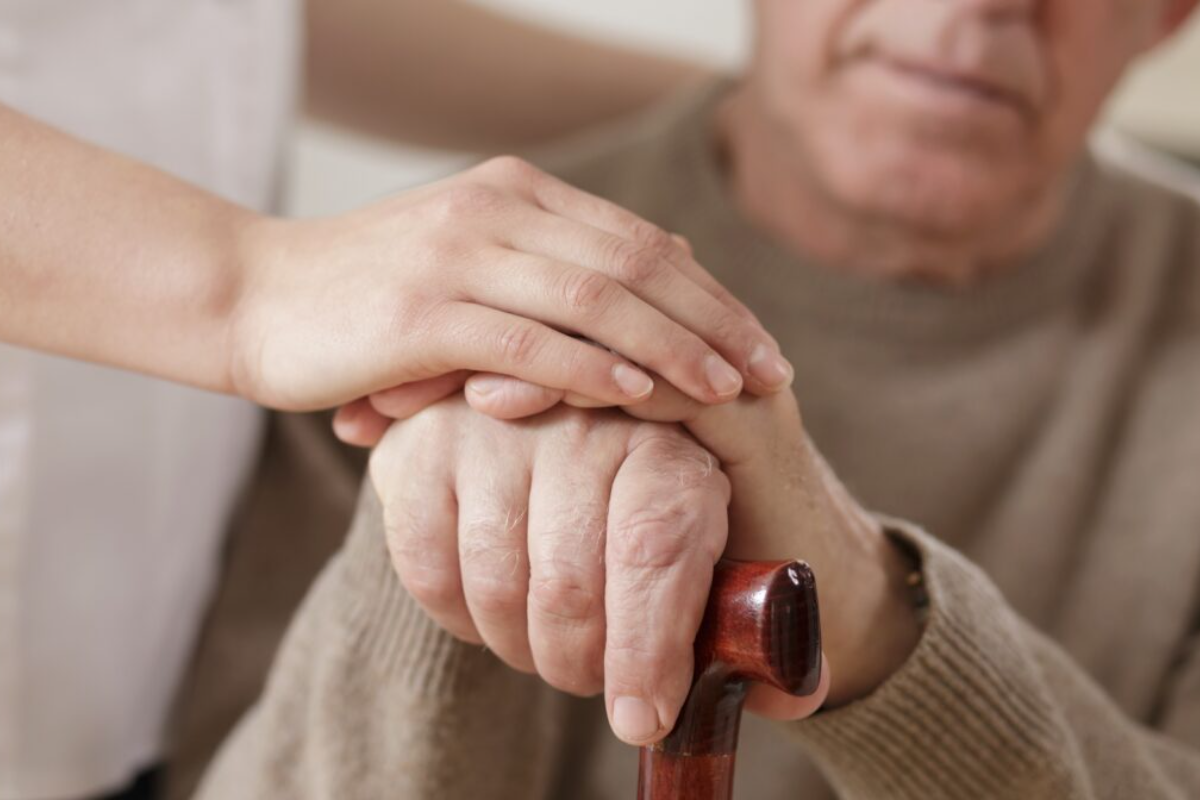
In our previous blog, we explored understanding Dementia, the importance of staying active, and redefining identity in retirement. This week, we turn our attention to Parkinson’s disease a condition that not only affects the individual diagnosed but also deeply impacts caregivers and families.
According to the World Health Organization (WHO), Parkinson’s disease is the fastest-growing neurological disorder globally, with disability and deaths increasing rapidly over the last two decades (WHO, 2023).
According to National Institute of Neurological Disorders and Stroke (NINDS), Parkinson’s disease is a progressive movement disorder that worsens over time. It occurs when dopamine a chemical that helps control movement produced in brain cells reduces significantly. As dopamine levels decline, movement becomes slower, rigid, and less coordinated.
Symptoms
Most common movement symptoms include tremor in the hands, fingers, or limbs; slow movement and difficulty initiating movement (bradykinesia); muscle stiffness and rigidity; poor balance and coordination; unstable posture; and reduced facial expression. These motor symptoms gradually interfere with daily functioning and independence.
In addition to movement-related symptoms, individuals may also experience non-motor symptoms such as constipation or urinary urgency, mood changes including depression or anxiety, sleep disturbances, and loss of sense of smell. These non-motor symptoms can appear early and significantly affect overall quality of life. Not everyone experiences the same symptoms, and the progression of the disease varies from person to person.
NINDS further states that age of onset is one of the most significant factors in Parkinson’s disease. It most commonly begins in people in their early to mid-60s, and the risk increases as a person grows older. However, a small number of individuals develop early-onset Parkinson’s disease, which starts before the age of 50.
The Rising Burden in India
According to a clinical report from Amrita Hospital, India is witnessing a rising burden of Parkinson’s disease. The hospital reports that nearly 40–45% of Indian cases are reported as early-onset Parkinson’s disease, occurring between age 22–49 years. The average age of onset in Indian patients is approximately 51 years. However, because research literature on Parkinson’s disease in India remains limited, findings from single-centre hospital-based reports cannot be generalised to the entire population.
A literature review highlighted a paucity of literature on Parkinson’s disease in India. Most studies reported that women have a lower prevalence of Parkinson’s disease. Yadav et al.(2012)
The review also reported that patients with Parkinson’s disease often experience poor quality of life across physical, psychological, and social domains. Clinical variables associated with lower quality of life in Indian patients included depression, disease severity, disability during off periods, dyskinesias(dyskinesias are involuntary, erratic, writhing movements of the face, arms, legs or trunk), postural instability, gait disturbances, and cognitive dysfunction.
Research has shown that higher disease severity, depression in the person with Parkinson’s, and sleep problems are strongly associated with increased caregiver stress. Many caregivers experience chronic fatigue, emotional strain, social isolation, and feelings of anticipatory grief as they witness gradual functional decline. In the Indian context, where family members commonly serve as primary caregivers, this burden is often carried silently without structured support systems.
To address the caregiver burden Pragmana Foundation offers support groups to build resilience in dealing with the emotional and well-being of the caregivers. challenges at mental and emotional level. This group is led by seasoned integrative professional Ms Kamini Mahalingam. The foundation offers a 5-week session. To sign up for these session https://www.pragmanafoundation.org/