
In the previous blog, we explored understanding dementia what it is, what it isn’t, and why awareness matters. But understanding is only the first step. The next question naturally becomes: What can we do?
Healthy aging is about adopting healthy habits and making positive lifestyles choices that contribute to health and well-being as we grow older.
- Move the Body, Protect the Brain
One of the most effective strategies for maintaining brain health is physical activity. Frequent movement helps memory centers, lowers inflammation, and improves blood flow to the brain. Basic activities such as the following can be very beneficial to the body and mind:
- Brisk walking for 30 minutes
- Yoga
- Strength/muscle training
- Breathing exercises
- Dancing
- Gardening
- Cycling
Additionally, exercise generates endorphins, which lower stress and elevate mood, all of which have a direct effect on cognitive health. Consistency matters more than intensity.
- Challenge the Brain
The more we engage our brain, the stronger and more adaptable it becomes. Keeping the mind active is not just about preventing decline; it’s about enhancing clarity, creativity, confidence, and overall well-being throughout life.
Try activities such as:
- Reading books or articles
- Solving crosswords or Sudoku
- Learning a new language
- Learning a new musical instrument
- Join a support group
- Chanting shlokas
- Attending spiritual gatherings
- Colouring
- Learning creative writing
- Journalling
Learning something new is very effective since it stimulates several different parts of the brain. Even little routines, such as walking and taking different route, provide a mild challenge to the brain.
- Stay Socially Connected
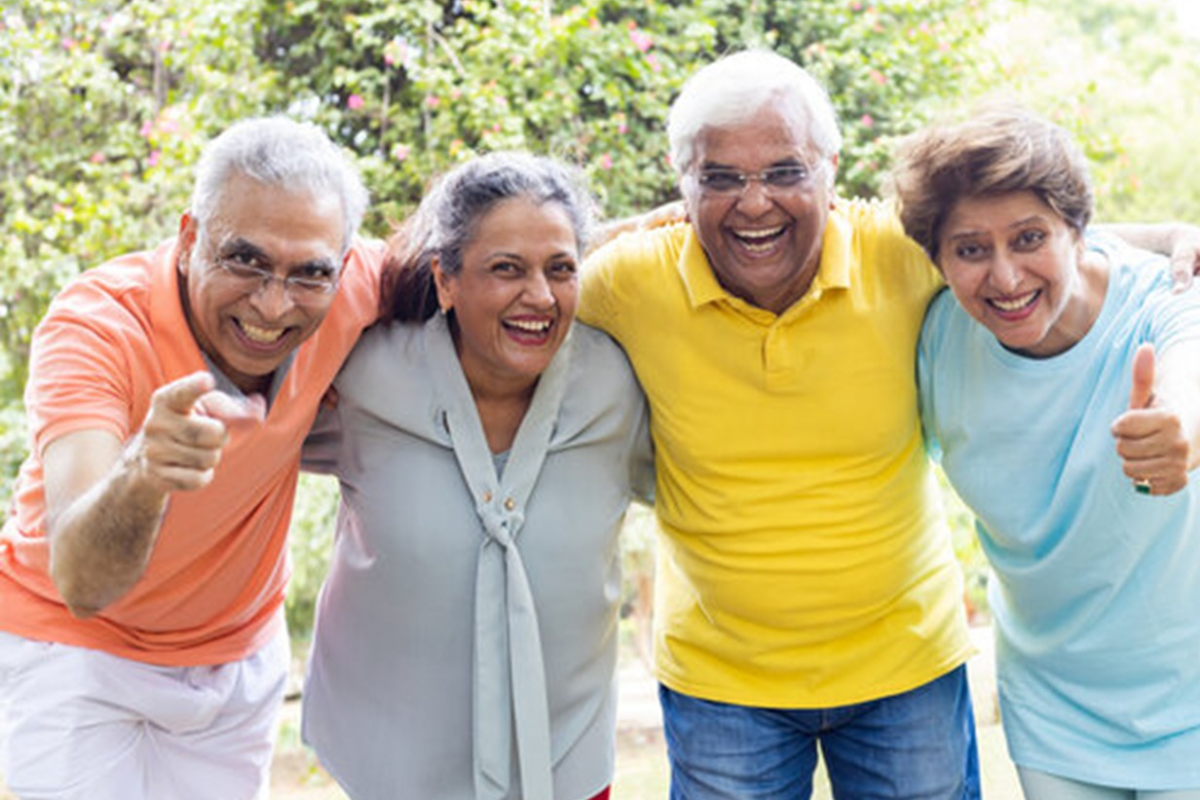
Human beings are wired for connection at every stage of life. Staying socially engaged brings joy, purpose, and a sense of belonging as we grow older. Meaningful conversations, shared laughter, and spending time with friends, family, or community groups keep the mind active and the heart fulfilled.
Healthy aging includes:
- Regular family interactions
- Community groups or clubs
- Volunteering
- Spiritual or cultural gatherings
- Being a part of support groups
- Joining cooking clubs
Being heard and valued strengthens emotional well-being, which protects brain health.
- Ensure good nutrition for brain health
Food is powerful nourishment for the brain. What we eat directly influences memory, concentration, mood, and long-term cognitive vitality. A balanced and mindful dietary pattern supports blood flow to the brain, reduces inflammation, and provides essential nutrients that keep brain cells functioning efficiently
- Eat Meals at Regular Timings
- Choose Light and Healthy Snacks
- Drink enough water throughout the day
- Maintain Portion Balance
- Take food rich in Omega-3
- Protein Intake
- Take Antioxidant-rich fruits
Reducing processed food, excess sugar, and unhealthy fats can lower inflammation and protect blood vessels including those supplying the brain.
- Focus on sleep, stress management and healthy habits
Quality sleep and a calm mind are powerful foundations for healthy aging. Restful nights, balanced emotions, and mindful lifestyle choices support memory, focus, and overall energy.
Here are few tips you can follow:
- Go for regular health check-ups (blood pressure, diabetes, cholesterol)
- Maintain a regular sleep routine
- Limit screen exposure at night
- Create calm evening rituals
- Listen to soothing music
- Take gentle walks in nature
- Connect with pets for emotional comfort
- Practice deep breathing, meditation, or prayer
- Maintain a positive and balanced outlook
- Avoid smoking
- Limit alcohol consumption
- Build small, consistent daily habits for overall well-being
It’s normal to age. Cognitive decline is not always inevitable. Even while we can’t control everything, we have a lot more power than we realise
By moving the body, engaging the mind, nurturing relationships, eating thoughtfully, and caring for sleep and stress we create a foundation for dignity, independence, and vitality in later years.
How can we Help at Pragmana Foundation?
We offer support groups for the elderly for those seeking a compassionate and non-judgmental community. Aging with Grace is a support group led by Ms Kamini Mahailngam With over fourteen years of experience in parenting, elder care, and women’s health, Ms Kamini Mahailngam creates warm and honest spaces where people can openly share their worries, responsibilities, memories, and hopes without fear of being judged