
 Inclusive education is not about making children fit into existing systems; it is about adapting educational systems to meet children where they are. Every child is unique and learns differently. While some children thrive in traditional classroom settings, others face challenges due to learning difficulties, developmental delays, or neurodivergent needs.
These children are referred to as Children with Special Needs (CwSN). It’s an umbrella term used to describe children who require additional educational support due to physical, cognitive, emotional, behavioural, or developmental differences. This includes children with Specific Learning Disabilities (such as dyslexia, dyscalculia, and dysgraphia), children on the autism spectrum disorder (ASD), children with attention deficit hyperactivity disorder (ADHD), intellectual disabilities, speech and language disorders, and other neurodevelopmental conditions. Many of these children may have average or above-average intelligence but experience barriers in accessing the standard curriculum without appropriate accommodations and support.
Recognising the importance of inclusive practices, CBSE and NCERT strongly advocate for inclusive education, in alignment with national frameworks such as the Right to Education Act (RTE) and the National Education Policy (NEP) 2020. Both CBSE and NCERT emphasise early identification, flexible curriculum planning, classroom accommodations, and continuous assessment for CwSN. CBSE guidelines encourage schools to provide reasonable accommodations, including extra time during examinations, modified assessments, resource room support, and the involvement of special educators, ensuring that children with diverse learning needs are supported within mainstream classrooms.
To strengthen early identification, CBSE introduced PRASHAST (Pre-Assessment Holistic Screening Tool). PRASHAST is a school-based screening tool that helps teachers identify early signs of learning difficulties, neurodevelopmental concerns, and emotional or behavioural challenges. While it is not a diagnostic tool, it serves as an initial screening mechanism to flag children who may require further evaluation, intervention, or support. The use of PRASHAST enables schools to initiate timely referrals and design appropriate individualised learning plans, reducing the risk of academic and emotional setbacks.
A one-size-fits-all approach often fails in educational settings, leaving many children frustrated, misunderstood, or left behind. This highlights the importance of Individualised Education Plans (IEPs) in inclusive education. An IEP is a personalised educational plan that focuses on a child’s strengths and challenges, adapting teaching strategies to support both academic and emotional needs without labelling or excluding the child from the learning process.
IEPs play a critical role in preventing long-term academic difficulties and emotional distress through early and targeted support. Repeated learning challenges can negatively affect a child’s motivation and self-esteem; however, individualised goals and appropriate classroom adjustments help children experience success at their own pace. When implemented effectively, Individualised Learning Plans enable children to realise their full potential, feel valued within the classroom, and develop a positive relationship with education reinforcing the core principles of inclusive education.
Pragmana Foundation’s Upcoming Work with Rural Children
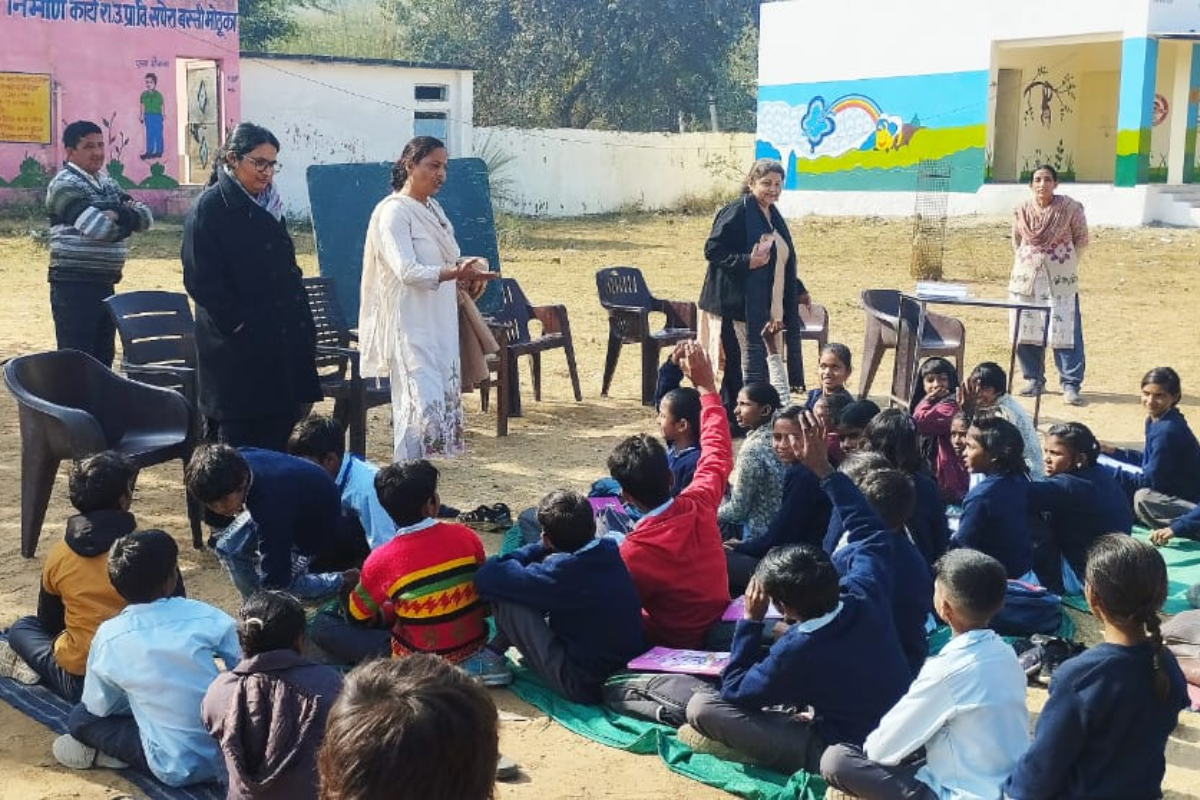
Building on the principles of inclusive education, Pragmana Foundation is actively expanding its work with children from underserved and rural communities. The foundation is currently implementing a focused project in the schools of Kishangarh Bas,in Alwar district of Rajasthan aimed at strengthening early identification and educational support for children with special needs in low-resource settings using the PRASHAST screening tool.
Following identification, Pragmana Foundation will develop and implement Individualised Education Plans (IEPs) tailored to each child’s learning needs and classroom context. The foundation will work closely with teachers to support inclusive classroom practices and will also assist families in applying for disability certificates wherever applicable. By combining screening, educational planning, teacher support, and parental guidance, Pragmana Foundation aims to promote sustainable, rights-based inclusion for children with special needs in rural settings.