

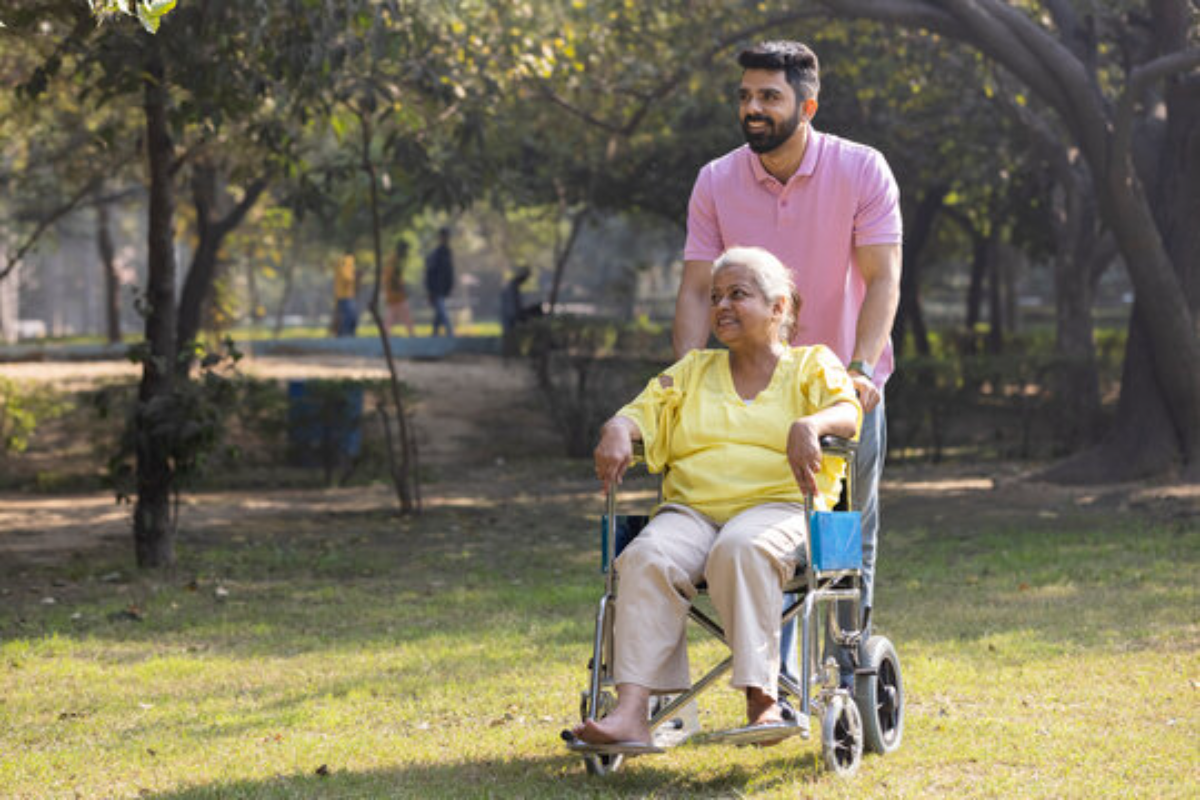
A caregiver is a someone who provides physical, emotional, and support to someone who cannot fully care for themselves due to illness, disability, or age-related conditions. Caregiving is largely family-centered, with spouses, children, daughters-in-law, siblings, and extended family members commonly taking on this role when a loved one develops a chronic condition. When a family member is diagnosed with a chronic or progressive illness such as Parkinson’s disease, caregiving responsibilities gradually become a significant part of daily life.
This transition often forces family members to balance intensive care with their own work and personal lives, leading to what is known as caregiver burden, the physical and psychological strain of long-term care. As family dynamics shift, spouses or adult children may find themselves acting more like healthcare providers, a change that is often emotionally complex. This role frequently brings unspoken feelings of guilt, frustration, and exhaustion, creating a hidden layer of challenges that caregivers navigate alongside their daily duties.
The growing burden of caregiving
While caregiving is often described as an act of love, responsibility, and commitment. Yet research consistently shows that it comes with significant emotional and psychological costs, Caregivers of Parkinson’s disease (PD) patients in India face significant mental health challenges, with 60%–80% reporting disruptions in social and financial life, and high rates of anxiety and depression.
In addition, the World Health Organization highlights that prolonged caregiving responsibilities can significantly affect mental health, increasing the risk of anxiety, emotional exhaustion, and reduced quality of life. While caregivers play a crucial role in supporting individuals with conditions such as Parkinson’s disease and other chronic illnesses, the emotional burden they carry often remains invisible and unspoken.
The anticipatory grief
One of the most difficult aspects of caregiving is witnessing the gradual changes in a loved one’s abilities. Conditions such as Parkinson’s disease or dementia can alter mobility, independence, personality, and emotional functioning. Caregivers often observe these changes firsthand, which can evoke feelings of sadness, helplessness, and grief.
Many caregivers experience what experts call anticipatory grief– the experience of grieving the person you knew while they are still physically present.
It is a “silent mourning” for the conversations you can no longer have or the activities you once shared. Acknowledging this grief is essential; it allows caregivers to process their pain rather than burying it under a mountain of tasks.
Preventing caregiver burnout
When caregiving continues without adequate support, it can lead to caregiver burnout. Burnout is characterized by extreme fatigue, irritability, emotional detachment, and reduced motivation. Chronic stress associated with caregiving can also affect physical health, contributing to sleep disturbances, weakened immunity, and long-term stress-related conditions.
Recognizing early signs of burnout is crucial. Seeking help, sharing responsibilities with family members, and taking small breaks can significantly reduce emotional strain.
Breaking the Silence: Caring for the Caregiver
Caregiving can be an isolating experience. As responsibilities increase, caregivers often find themselves with little time for social interaction, hobbies, or personal self-care. Friends and extended family members may not fully understand the daily challenges caregivers face, which can make caregivers feel misunderstood or alone.
Over time, this reduced social connection can contribute to feelings of loneliness, frustration, and emotional exhaustion. Many caregivers continue to manage their responsibilities quietly, rarely expressing the emotional challenges they experience.
Supporting caregivers requires collective awareness and compassion. Families, communities, and healthcare systems must recognize that caregivers also need care. Access to support groups, counselling services, respite care, and community resources can make a meaningful difference.
Pragmana Foundation offers support groups to build resilience in dealing with the emotional and well-being of the caregivers. challenges at mental and emotional level. This group is led by our experienced counsellor, Ms Kamini Mahalingam. The foundation offers a 5-week online support group. Visit https://www.pragmanafoundation.org/ to sign up for these sessions.