

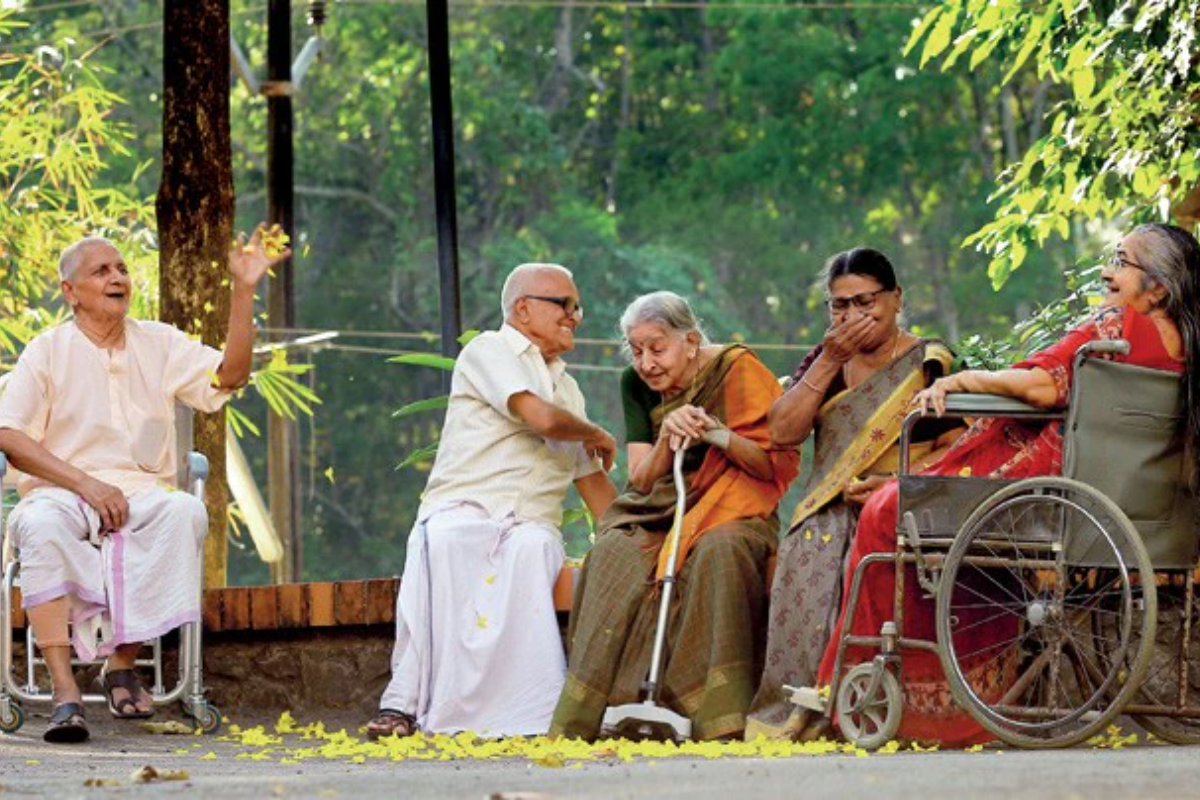
We all lose our keys, forget our names, or enter a room and find ourselves wondering why we were there. Sometimes we dismiss it, attributing it to stress, multitasking, or just “getting older.” These small mistakes are so common that they have almost become a shared human experience. However, there is a key difference between dementia and normal ageing, and being aware of this difference might help individuals and their families seek treatment sooner rather than dismissing off warning symptoms as simply forgetfulness.
Before we dive deeper into the topic, let us first understand what dementia really is.
What is Dementia?
Dementia is not a single disease. It’s an overall term to describe a collection of symptoms that one may experience if they are living with a variety of diseases, including Alzheimer’s disease. Diseases grouped under the general term “dementia” are caused by abnormal brain changes.
Normal Ageing vs. Dementia: What’s the Difference?
Normal Ageing: “A Temporary Lapse”
- Memory: Forgetting names or dates but recalling them later.
- Navigation: Momentarily forgetting why you entered a room.
- Language: Having a “tip-of-the-tongue” moment with a specific word.
- Judgment: Making a one-off poor decision (like a bad purchase).
- Routine: Managing complex tasks, even if they take a bit longer than before.
Dementia: “A Persistent Decline”
- Memory: Forgetting recently learned info, repeatedly asking about the same issue, and asking around the same issue differently several times.
- Navigation: Getting lost in your own neighborhood or forgetting the way home.
- Language: Using the wrong words (e.g., calling a “watch” a “hand-clock”) or stopping mid-story.
- Judgment: Drastic changes, such as neglecting hygiene or falling for financial scams (e.g., giving away money to fake charities or clicking phishing links).
- Routine: Struggling with basic tasks like having a bath or following a simple recipe
Keeping the Brain Active and Healthy
Like any muscle, the brain requires frequent exercise. Ageing is unavoidable, but we have some influence over cognitive decline. Here are a few easy yet effective strategies to maintain brain sharp:
- Mental Stimulation: Cognitive resilience can be developed through reading, solving puzzles, or simply taking up a new hobby.
- Physical Activity: Frequent stretching, yoga, or walking enhances blood flow to the brain and promotes the health of nerve cells.
- Social Interaction: Meaningful connections, conversations, and group activities boost emotional and cognitive centres while reducing feelings of loneliness.
- Good Sleep: Deep sleep helps with retention of memories and the removal of toxins from the brain.
- Balanced Nutrition: Brain function is supported by diets high in fruits, vegetables, nuts, and healthy fats.
Improving Quality of Life at Any Age
Physical well-being is not the only factor that defines quality of life; emotional fulfilment, purpose, and connection are also important factors. Little everyday routines can have a big impact:
- Build Support Systems: Family, friends, and community groups create emotional safety nets.
- Practice Gratitude and Mindfulness: These improve mood and reduce anxiety.
- Seek Assistance Early: Seeking professional assistance at the earliest indication of cognitive issues can lead to treatment, coping mechanisms, and comfort.
Ageing is a natural journey, but losing independence or identity doesn’t have to be. Awareness is the first step toward empowerment. By understanding dementia, differentiating it from normal ageing, and adopting brain-healthy habits, we can move from fear to informed action and most importantly, continue to live with dignity, connection, and purpose at every stage of life.
How can we help
For those seeking a compassionate and non-judgmental community, Pragmana Foundation offers dedicated support through its Aging with Grace support group led by Ms Kamini Mahailngam . With over fourteen years of experience in parenting, elder care, and women’s health, Ms Kamini Mahailngam creates warm and honest spaces where people can openly share their worries, responsibilities, memories, and hopes without fear of being judged.