

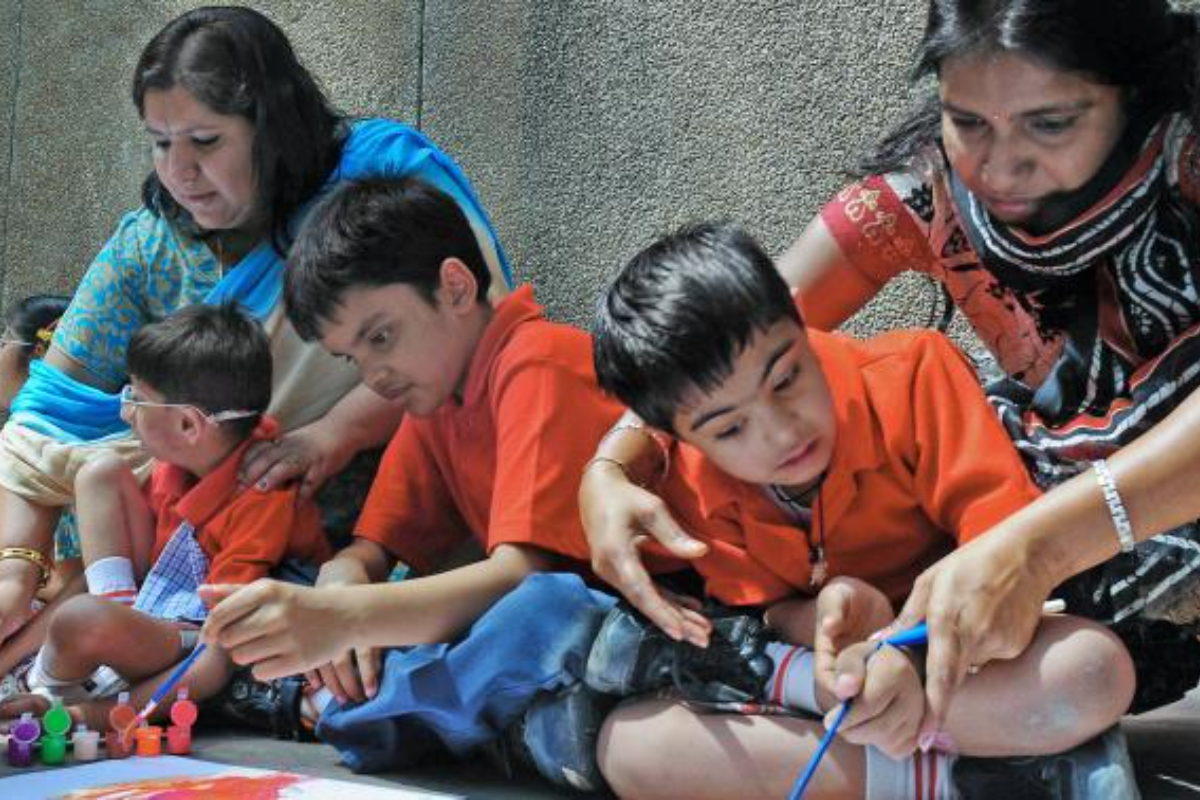
Every child grows, learns, and experiences the world in their own way. Some children communicate differently, respond uniquely to their surroundings, or need extra support to feel safe, understood, and confident. Autism Spectrum Disorder (ASD) is a neurodevelopmental condition that influences how a child perceives the world, communicates, and connects with others.
As awareness around autism continues to grow, parents and educators play a crucial role in creating environments where autistic children feel accepted, supported, and empowered. Understanding autism is not about labels; it is about empathy, clarity, and timely support.
What Is Autism Spectrum Disorder?
Autism Spectrum Disorder is described as a spectrum because it presents differently in every individual. Some children may require significant support in daily functioning, while others may be largely independent. Autism is not a disease or an illness; it is a different way of processing information and experiencing the world. These differences usually appear in early childhood and continue across the lifespan.
How Common Is Autism?
Autism is more common than many people realize. Current estimates suggest that around 1% of children in India approximately 1 in 100 are on the autism spectrum. Some studies and expert observations indicate even higher rates, closer to 1 in 68 children, similar to global trends.
Based on population estimates, nearly 18 million people in India may be autistic. However, many children remain undiagnosed due to limited awareness, delayed screening, and lack of access to assessment services, especially in rural and underserved areas. These figures highlight the importance of early identification, parent education, and inclusive support systems.
Common Characteristics of Autism
It is important to understand that no two autistic children are the same. However, some commonly observed characteristics include:
- Limited or delayed speech, or communication that differs from typical patterns
- Difficulty understanding social cues such as eye contact, facial expressions, or body language
- Preference for routines and predictability
- Repetitive behaviours or intense interests in specific topics
- Sensory sensitivities to sounds, lights, textures, or touch
- Challenges in emotional regulation and transitions
Early Signs to Look For
Early identification allows timely support and intervention. Parents and educators may notice signs such as:
- Limited response to name or social engagement
- Delayed speech or absence of meaningful words
- Reduced eye contact or social smiling
- Lack of pretend play or imitation
- Repetitive movements like hand flapping or rocking
- Distress during changes in routine
Not all children showing these signs are autistic, but consistent patterns should be observed and supported appropriately.
The Role of Parents and Families
Parents are a child’s first support system. Keyways parents can help include:
- Observing and understanding their child’s unique strengths and challenges
- Maintaining predictable routines at home
- Using simple and clear communication
- Encouraging independence at the child’s pace
- Seeking professional guidance when concerns arise
- Advocating for inclusive educational support
Most importantly, acceptance and emotional security form the foundation of a child’s development.
It’s normal to feel overwhelmed as a parent of an autistic child. At Pragmana Foundation, we believe no parent should face this journey alone. Guided by Mrs. Afroze Jahan, Rehabilitation Psychologist and Autism Specialist, we offer compassionate support through parent groups like Tiny Clues, along with counselling and developmental assessments focused on early identification. Autism awareness goes beyond challenges it is about recognizing individuality, respecting differences, and ensuring every child feels seen, valued, and encouraged to grow.