
 We often talk about India’s growth and development, but a staggering 150 million people are struggling with mental health issues, according to a 2015-16 survey. This number highlights a critical issue that needs attention.
The treatment gap is a huge barrier according to the survey, between 70 and 92 percent of people who require support are not getting it. The gap is still a devastating 85% for common mental disorders, which are frequently avoidable or easily treated. These figures demonstrate that although the condition is widespread, the support network is seriously lacking.
Are people genuinely seeking assistance if the need is so severe? The answer is definitely yes.
Tele MANAS, which was established in 2022. The helpline has received an unbelievable 25 lakh calls (2.5 million) since its launch. The public’s overwhelming reaction to the government’s initiatives has undoubtedly revealed a long-standing, hidden need for guidance on wellness and mental health. This can be seen clearly by the government’s national helpline.This number shows that people are finally reaching out, which is a huge plus, but it also highlights how serious the situation is. Of those calls, nearly 40,000 were specifically related to suicidal thoughts. This is a widespread health and social issue that requires a significant, systemic shift in strategy.
Time to Rethink Mental Health
Why is there such a large treatment gap? Part of the answer lies in how we currently think about mental health. Most of the action is restricted to the clinic, between the person seeking help and the therapist or counsellor. People still hesitate to seek professional help due to stigma. In our country where the individual’s life is rooted in family and community, it is imperative that any intervention for mental health wellbeing includes family members as well as the community.
Where are we going wrong? Currently, mental health treatment often acts like it’s only about what’s going on inside one person’s head. This is important, but it ignores the biggest influence on well-being: the person’s relationships or community.
Healing doesn’t just happen in a clinic; it’s deeply connected to the support they get from their family and community.
The Strength of Collective Well-Being
It’s time to change the approach and link mental health with encouraging overall well-being rather than just curing illness.
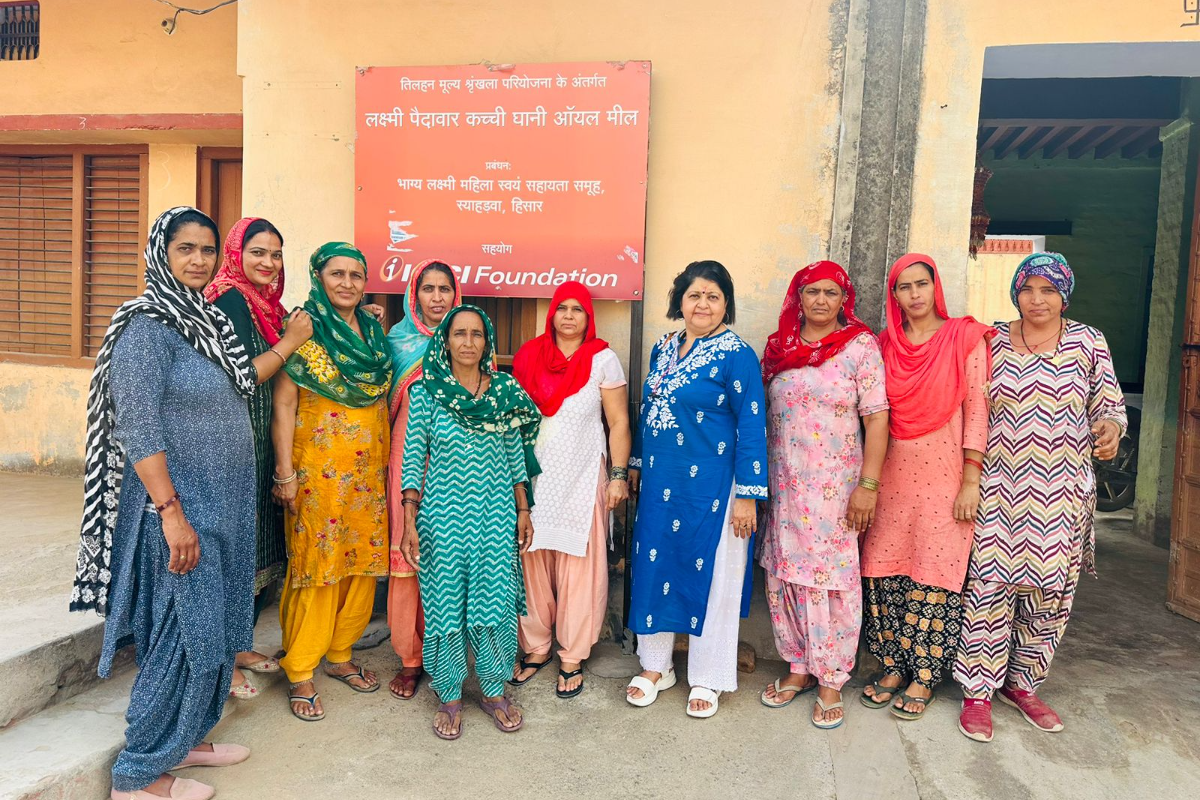
We should shift the focus of mental health support from isolated clinical settings to community-based care which can lead to transformative results. A strong, ongoing safety net that helps de-stigmatize the problem is created when a community uses its inner resources such as empathy and social inclusion to help a struggling person. This collective action not only aids the individual’s recovery but also builds the community’s own resilience and strengthens its social structure.
At Pragmana we provide free mental health support and community-based care. Our work is rooted in the fundamental principles of viewing people in socio economic context, individual based prevention and open access to services and includes a commitment to social justices by addressing the needs of traditionally underserved population such as adolescents and senior citizens.
The way forward is obvious. We require a mental health movement that is anchored in the community and extends beyond the clinics. We can start to close that treatment gap and create a more resilient, supportive India by adopting community reapproaches and encouraging group responsibility.