

The recent suicide of a Class 10 student in Delhi has forced parents, educators, and policymakers to confront a harsh truth: even though India has strong school mental health policies on paper, students are still falling through the cracks. Under the National Mental Health Programme (NMHP) and the School Mental Health Programme (SMHP), schools are encouraged to identify emotional distress early and provide trained support. NEP 2020 also clearly states that every child deserves a safe, supportive, and stress-free learning environment, with access to counsellors and socio-emotional learning. If we want meaningful change, we must rethink how schools operate. Beyond traditional counselling services or well-being sessions, the system requires structural reforms that protect children proactively, not reactively.
Below are some recommendations that schools must adopt to build a safer ecosystem for every child.
- Independent Mental Health Audit
Most schools claim to have mental health support, but few can demonstrate how well it functions. An annual external mental health audit ensures that support systems are not just theoretical. This audit would evaluate:
- Availability and accessibility of counsellors
- Functioning of reporting mechanisms
- Student and parent satisfaction
- Responsiveness to distress complaints
- Teacher competency in emotional management
Regular audits force accountability. They also give parents and students confidence that schools are actively reviewing their practices—not waiting for crisis to occur.
- A Dedicated Mental Health Grievance Redressal Cell
Just like schools have committees for sexual harassment or discipline, they need a Mental Health Safety Cell. This committee comprising the counsellor, an external psychologist, a parent representative, and a senior teacher would:
- Review student distress reports
- Ensure complaints are not ignored
- Track follow-up actions
- Offer protection to students who speak up
This system prevents concerns from being buried under bureaucracy and ensures that every student’s voice receives attention.
- Zero Tolerance Policy for Humiliation and Emotional Harm
Often, what adults dismiss as “discipline,” “motivation, can deeply wound a child. A clear policy defining what counts as emotional harassment is essential. It must explicitly prohibit:
- Public shaming
- Comparing students
- Sarcasm or mocking
- Threatening expulsion
- Academically pressuring beyond capacity
- Personal comments about appearance or abilities
When emotional safety is protected as strictly as physical safety, classrooms become spaces where students feel secure and are not scared.
- Peer Support and Safe School Communities
One major way to strengthen mental well-being in schools is by developing structured peer support systems. Adolescents often share their deepest struggles with friends rather than adults. When schools formalize this natural bonding into a trained support system, students feel safer and less alone. Student peers support volunteers can help fill the gaps by serving as:
- Empathetic and trusted students who listen with and non-judgemental attitude and confidentiality.
- Mental Health Ambassadors who promote kindness, awareness, and emotional literacy in school.
- Buddy System Supporters who are paired with isolated, bullied, or new students to ensure they don’t feel abandoned.
This doesn’t replace professional counselling. Instead, it acts as an early-warning system. When peers are equipped to notice emotional distress, they can alert teachers or counsellors before a crisis escalates.
At Pragmana Foundation we offer system-based support by
- Training teachers
- Peer support volunteer training
- Building buddy system to act as safety net.
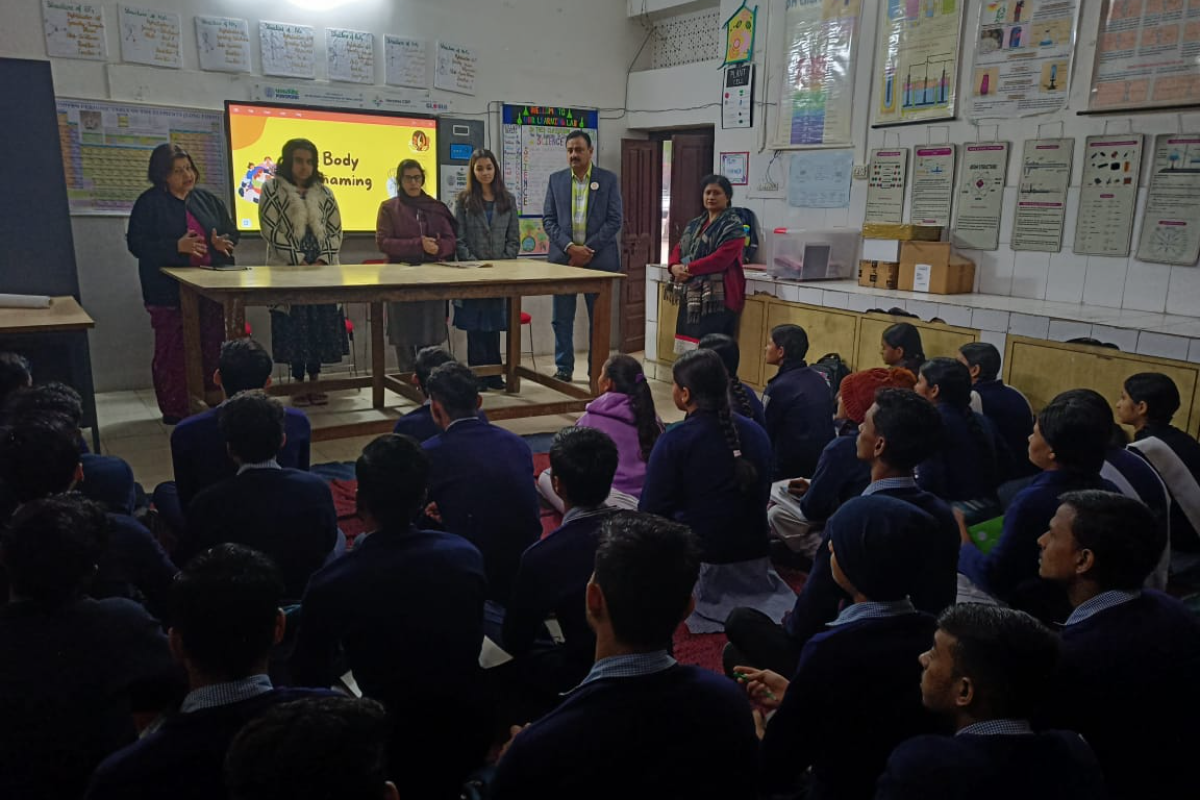
In addition, we offer mental health workshops on bullying, body-dysmorphia, emotional resilience, dealing with academic pressure and a range of relevant themes. These services are designed to enable setting up a system at school for early identification of emotional distress, extend support and create a safer, more connected school environment promoting emotional resilience in teachers, students and staff.
A Final Reflection
Policies alone cannot heal what happened in Delhi, but they can prevent another child from reaching such despair. Schools must move beyond awareness programs and adopt systems that are practical, measurable, and accountable. When emotional safety becomes a core part of school culture—not an afterthought—we create an environment where students feel secure, supported, and heard.
The lesson from this tragedy is clear: Strong Policies Save Lives. Silence and Inaction Cost Them.